Top Argentina official resigned after return to markets shelved
March 5, 2026 at 07:40 PM
By Manuela Tobias, Bloomberg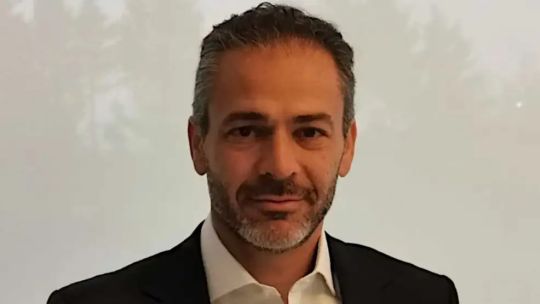
Alejandro Lew was only appointed to the position last November to spearhead Argentina’s return to international markets. Leer más
💡Analysis & Context
Alejandro Lew was only appointed to the position last November to spearhead Argentina’s return to international markets Alejandro Lew was only appointed to the position last November to spearhead Argentina’s return to international markets. Leer más Monitor developments in Top for further updates.
📋 Quick Summary
Alejandro Lew was only appointed to the position last November to spearhead Argentina’s return to in
Alejandro Lew was only appointed to the position last November to spearhead Argentina’s return to international markets. Leer más
Argentina’s finance secretary resigned last week after clashing over plans to raise funds in international capital markets, highlighting President Javier Milei’s shift away from a push to restore access to Wall Street financing. Alejandro Lew was appointed to the position last November to spearhead Argentina’s return to market, and decided to step down amicably from the role once the decision not to sell bonds abroad was made, according to a person familiar with the matter. With a long career on Wall Street – for nearly a decade he worked at JPMorgan Chase & Co, eventually heading its fixed income desk for emerging markets – the job of finance secretary no longer aligned with his interests, the person added, requesting anonymity to discuss his thinking. The reason for his departure was first reported by the Clarín newspaper. When announcing then-Central Bank Director Federico Furiase as the new finance secretary last Friday, Economy Minister Luis Caputo said Lew had cited “personal reasons” to step down. Read more... Brazil ratifies EU-Mercosur trade deal The Economy Ministry did not immediately respond to a request for comment. In Argentina, the finance secretary reports to Caputo, who is headed to New York next week for presentations and meetings with Wall Street investors. Caputo hinted at the government’s reluctance to return to international capital markets late last year, writing in a social media post that Argentina would seek to reduce its reliance on Wall Street financing ahead of January bond payments. Through mid-January, the economic team weighed a broad range of options, from a plain-vanilla bond sale to a targeted debt swap and other structures in between, according to investors briefed on the discussions. The government came close to tapping markets in early January at a yield of about 9.75 percent, they said, but ultimately judged the rate too high. Read more... Vaca Muerta gas to flow to Europe under major eight-year LNG pact In November, Caputo told investors in New York that Argentina planned to buy back global bonds due in 2029 and 2030 using a cheaper source of funding. On Thursday, Caputo reiterated the decision, saying Argentina would focus on securing money from the local market, privatsations and alternative financing sources, while paying down existing global bonds. While borrowing costs were a key consideration, they were not the only one. The government has also held talks with several countries about potential government-to-government financing, the person familiar said. After passing a tax amnesty aimed at shielding individuals who disclose previously undeclared dollar savings, officials are seeking to deepen the domestic capital market to reduce reliance on Wall Street. Read more... Argentina’s Ualá reaches US$3.2-billion valuation in new funding round Caputo has also said Argentina’s sovereign risk premium should be about half its current level given the country’s macroeconomic fundamentals. Still, he argued that issuing debt abroad would not lower that measure, since investors already know Argentina can access markets if it chooses to. The government is pursuing alternative financing outside international markets at lower interest rates, he said, without elaborating. by Manuela Tobias, Bloomberg In this news personalities: Javier Milei Luis Caputo Alejandro Lew Federico Furiase topics: Economy Argentina Debt Markets International Markets Argentina Bonds Resignation Finance Secretary
Share:
Original Source:
Read full article at sourceHelp us improve this article. Share your feedback and suggestions.